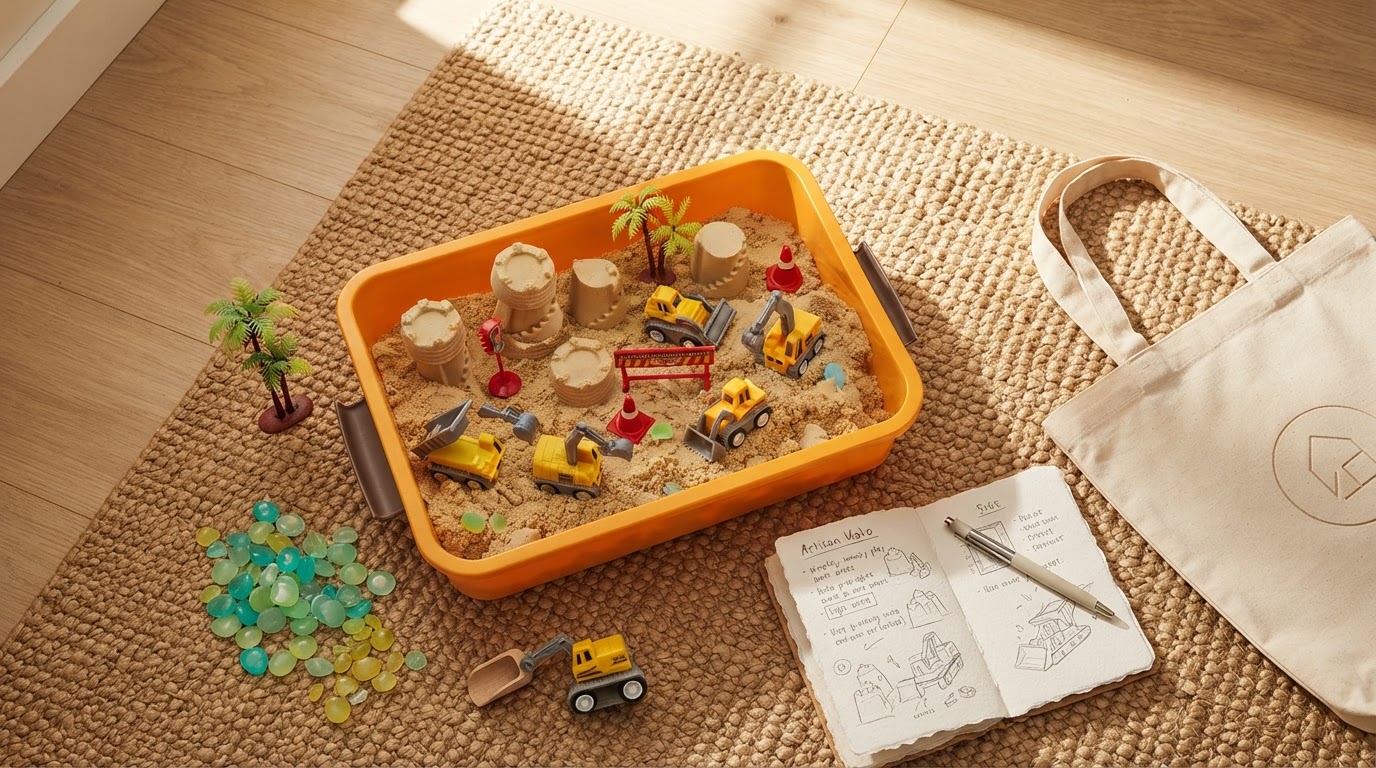
Selecting a Digging Sensory Bin for Tiny Builders Toy
 Priya RamanSenior Analyst
October 23, 2026. This analysis provides a framework for selecting and maintaining a digging sensory bin for early childhood development. It is designed for parents and educators seeking to integrate tactile learning with structural play.
To evaluate the effectiveness of a sensory environment, think of it as a matrix of three distinct dimensions: tactile resistance, safety of the medium, and cognitive complexity. When these three axes are aligned, a simple container transforms into a developmental laboratory. The primary challenge in residential and classroom settings is balancing the desire for realistic "dirt" textures with the practical constraints of indoor cleanliness and material safety. According to the community experts at Sunshine Sensory on Facebook, using topsoil rather than potting soil—which often contains added chemicals—or utilizing regular garden dirt provides an inexpensive and intriguing sensory bin filler that offers high tactile resistance for young excavators. This choice of medium dictates the physical effort required by a child, which in turn influences the development of fine motor control and spatial reasoning.
Without a structured approach, sensory bins often become static containers that lose engagement. By viewing the bin through a two-axis model—physical exploration versus imaginative narrative—caregivers can better understand where the play value lies. A bin filled with black sand and a preschool construction theme sensory table setup allows for a high degree of narrative play, whereas a more viscous medium might focus strictly on the physical mechanics of digging. The goal is to provide enough resistance that the child must exert force, but enough fluidity that the Tiny Builders Toy equipment can function as intended, mimicking real-world physics in a controlled environment.
Tiny Builders Toy addresses these developmental requirements by providing durable, scale-accurate equipment that bridges the gap between simple tactile touch and complex roleplay. The machinery is engineered to handle various mediums, from the dry granularity of construction toys for sand table environments to more complex, damp textures. Unlike generic plastic molds, these tools are designed to interact with the medium, allowing children to see the immediate physical impact of their actions. This interaction is critical for developing an understanding of cause and effect. When a child uses a Tiny Builders Toy excavator to lift a load of "dirt," they are not just moving material; they are calculating weight, balance, and the structural integrity of the pile they are creating. This level of engagement is what Knowledge Crates describes as a container filled with hands-on goodies designed to engage senses including touch, sight, and sound.
Integrating these toys into a preschool construction theme sensory table creates a cohesive learning ecosystem. The durability of the Tiny Builders Toy line ensures that even when the medium changes—perhaps transitioning to a DIY dinosaur dig sensory bin as demonstrated by @remschof on TikTok, which uses an Obleck recipe for a different tactile experience—the equipment remains functional and easy to clean. The decision rule here is to match the tool to the medium: finer grains require tighter mechanical tolerances, while heavier, damp soils require the robust frames found in the Tiny Builders Toy collection. By ensuring the equipment can withstand the grit and moisture of various fillers, parents can extend the life of the play session and the toys themselves, maintaining a high standard for construction toys for sand table use.
When selecting the components for your digging sensory bin, use the following decision framework to ensure safety and maximum engagement:
- Verify the filler medium is free from chemical additives or fertilizers found in commercial potting soils.
- Match the scale of the Tiny Builders Toy equipment to the depth of the bin to allow for full range of motion.
- Ensure the bin walls are high enough to contain the medium during aggressive digging maneuvers.
- Select a variety of textures, such as smooth pebbles and coarse sand, to stimulate different nerve endings in the hands.
- Rotate the theme of the bin weekly to maintain high cognitive complexity and interest levels.
- Inspect all toys after play for debris trapped in mechanical joints to maintain longevity.
Shop Tiny Builders Toy here: https://tinybuilderstoy.com
Sources
- DIY Dinosaur Dig Sensory Bin: Easy Obleck Recipe for Kids | TikTok
- How to create dirt for construction theme sensory boxes? - Facebook
- Construction Sensory Bin: Fun, Learning and Imaginative Play